
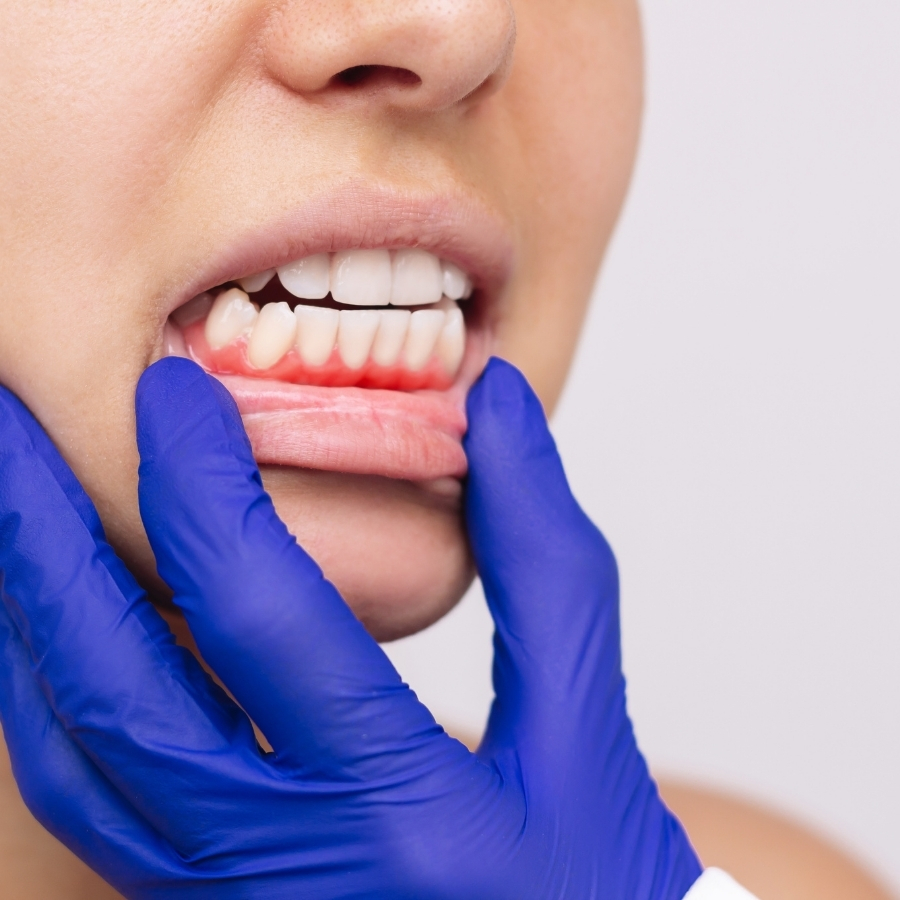
Gum disease, or periodontal disease, is a common but often overlooked condition affecting a large percentage of the population. It starts as a mild irritation in the gums but can progress to more severe stages, potentially leading to tooth loss and other health complications.
The good news is that gum disease is preventable and treatable, especially when caught early. In this article, we’ll discuss the importance of gum disease treatment and how taking action now can help prevent long-term issues.
What Is Gum Disease?
Gum disease begins with gingivitis, a mild form of gum inflammation caused by plaque—a sticky film of bacteria that coats teeth.
The symptoms of gingivitis include swollen, red gums that may bleed when you brush or floss. At this stage, the condition is usually reversible with proper oral hygiene.
Untreated gingivitis can develop into periodontitis, a more serious gum disease. In periodontitis, the infection spreads below the gum line, causing the gums to pull away from the teeth, forming pockets that become infected. Over time, this can lead to tooth loss, bone damage, and other oral health complications.
Why Gum Disease Treatment Matters
Preventing Tooth Loss
The most significant risk associated with untreated gum disease is tooth loss. As the infection progresses, it damages the tissues that support your teeth, including the bone. This can result in teeth becoming loose and eventually falling out.
Proper gum disease treatment helps stop the progression and keep your teeth healthy for years.
Reducing the Risk of Other Health Conditions
Untreated gum disease can have a broader impact on your overall health. Gum disease can increase the risk of heart disease, stroke, diabetes and cause complications during pregnancy.
The bacteria that cause gum disease can enter the bloodstream, affecting other parts of the body. Treating gum disease early reduces your risk of these conditions.
Preventing Bad Breath
Persistent bad breath is one of the most noticeable symptoms of gum disease. This is caused by the bacteria in infected gums. While mouthwash and gum may mask the odour temporarily, they won’t address the underlying issue.
Treatment can eliminate the source of the bad breath, leaving you with fresher breath.
Maintaining Your Smile
Healthy gums are essential for a confident smile. When gum disease causes the gums to recede, your teeth can appear longer, and in severe cases, tooth loss may occur. Treating gum disease early protects your gums, ensuring your smile stays intact.
Improved Oral Hygiene
Gum disease can make brushing and flossing difficult due to swollen and bleeding gums. As a result, it becomes easier for plaque and tartar to build up, which can worsen the condition.
With proper treatment, your gums will return to a healthy state, making it easier to maintain a good oral hygiene routine and prevent future issues.
What Can Be Done to Treat Gum Disease?
Treatment for gum disease depends on the severity of the condition:
- Gingivitis Treatment – In the early stages, gum disease can often be reversed with improved oral hygiene practices, such as regular brushing, flossing, and professional cleanings. We may recommend more frequent visits to remove plaque and tartar.
- Scaling and Root Planing – If gum disease has progressed to periodontitis, a deeper cleaning called scaling and root planing may be necessary. This involves cleaning below the gum line to remove plaque and tartar from the roots of the teeth. It helps to smooth the surfaces of the teeth, making it harder for bacteria to accumulate in the future.
- Surgical Treatments – In advanced cases of gum disease, surgical procedures may be required to restore the health of your gums and the bone supporting your teeth. This could involve gum grafts or regenerative treatments to promote healing and bone growth.
How to Prevent Gum Disease
Prevention is always better than treatment, and good oral hygiene habits are your best defence when it comes to gum disease. Here are some steps you can take to protect your gums:
- Brush your teeth at least twice a day with fluoride toothpaste.
- Floss daily to remove plaque between your teeth and the gum line.
- Visit us regularly for professional cleanings and check-ups.
- Avoid smoking, as it’s a significant risk factor for gum disease.
- Maintain a healthy diet, as poor nutrition can contribute to gum problems.
Gum Care in St John’s Wood
Gum disease starts as a mild irritation, but if left untreated, it will lead to serious oral health problems. Early treatment can help prevent tooth loss and maintain a healthy and confident smile. If you notice any signs of gum disease, like bleeding gums, bad breath, or gum recession, visit us for a checkup.
Contact us today to book your next appointment.